Takeaways from QIDiS 26
- Published on
- 5 min read
In October 13, 2026 Quantum Industry Day in Switzerland was held in Zurich. The program covered the reports on status of the quantum industry in Switzerland in the morning, a diverse panel of experts and technical talks on specific topics related to quantum computing (as well as optional B2B meetings, a networking session).
I had to travel from Lausanne to Zurich for about 2.5h to get there by 9am As you may have imagined this required me getting off home at around ~6am (after a rather tiring evening of working on SWENT course project). Attending this event was one of the key reasons I decided to come to Switzerland for exchange studies to begin with - I had the event participation planned out even before arriving in Geneva (imagine planning to attend an industry meeting on Moon before setting your foot on it). I think my attendance was worth it though.
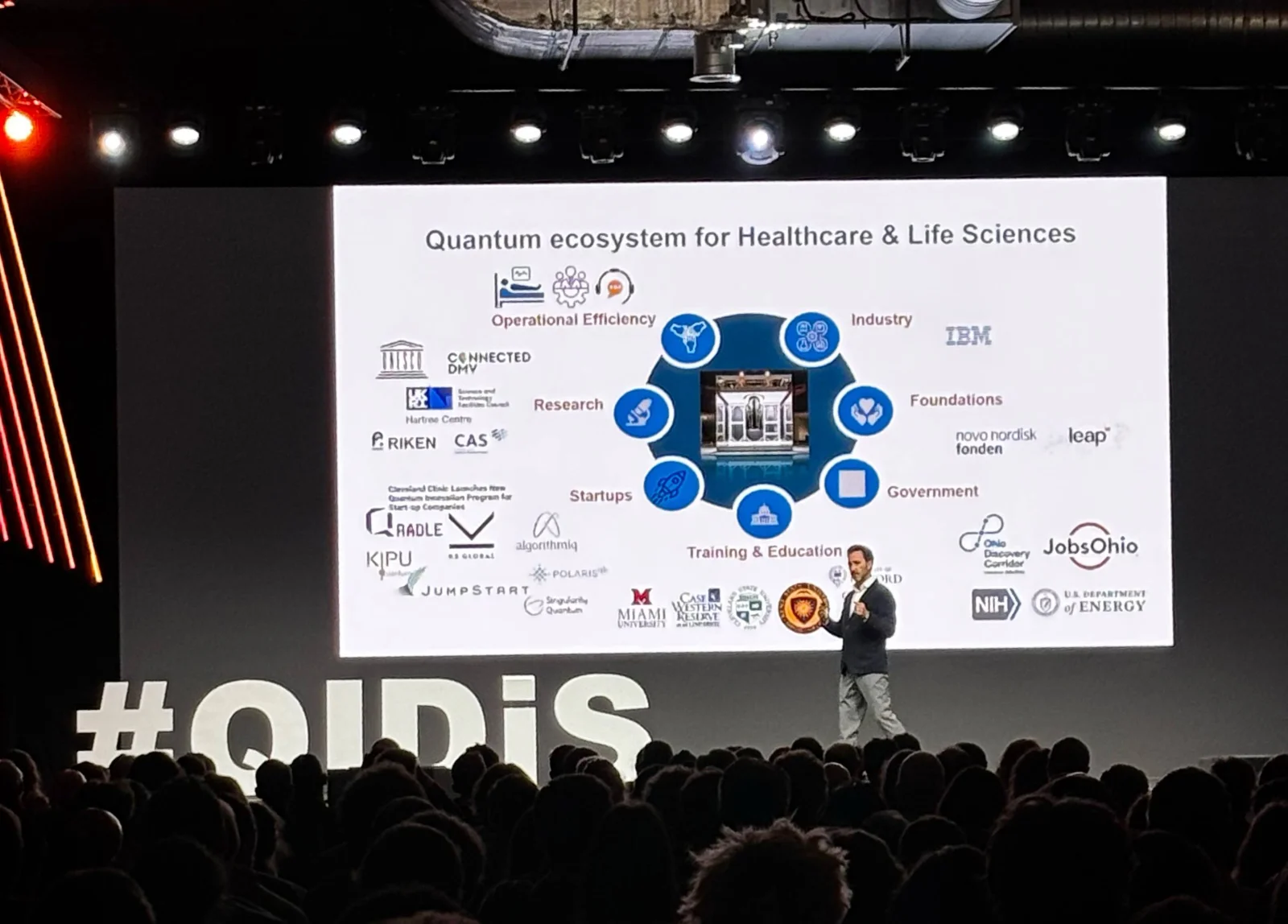
I arrived at the keynote talk right by the time Cleveland Clinic was finishing their speech (about applying quantum technologies to life sciences, drug discovery, biology...). Then I got to hear about the architectural stack being developed by IonQ (Quantum Communication), several gate-based platforms being developed by PSI Quantum Computing Hub (Quantum Instrumentation), interesting applications of Quantum Sensing by professor Christian Degen (Spin Physics Group @ ETH Zurich), and an important challenge of supplying the Quantum Industry by Grégoire Ribordy at SQIN. So the progress and challenges they showcased was across 5 classes - Quantum Computing, Quantum Communication, Quantum Instrumentation, Quantum Sensing and Quantum Supply Chain.
If you are interested about my personal opinion on each:
- Quantum Computing: Academic level, no industry use case has been adopted in Switzerland as far as I am aware (except the post-quantum crypto products, which are not quantum but rather classical in nature). So the main challenge in this field is to find an industry problem that can utilize quantum computing to gain some advantage (Quantum Advantage argument again).
- Quantum Communication: This one is rather interesting. The speaker (Melchior Aelmans @ IonQ) highlighted the similarity between the development of internet protocols, standardizations and the current state of quantum protocols. I agree with him on the point that no standardization currently exists yet that's widely adopted in quantum communications industry and it's both an opportunity and necessity to take the next step of enhancing architectures in the domain.
- Quantum Instrumentation: Most of the talk was about the partnerships, projects, programs by Paul Scherrer Institute (at least it felt like that). Though the takeaway I remember is that they were trying to establish cloud access to platforms they have developed and highlighted the algorithmic bottleneck (usable/effective quantum algorithms are few, more can be researched about).
- Quantum Sensing: I had thought of this field as purely physical/hardware-level. The idea is to leverage quantum-level measurements/detections to sense the atomic energy level changes and somehow map them into a conclusion in the use case (e.g. determining the very slight different in gravitational acceleration (
g) value via quantum measurements on top of a volcano to make conclusions about cavities in it). Turns out this field also needs a bit algorithmic expertise - sure you can measure the changes, detect them on quantum scale but as it stands they themselves alone can not give reliable insight (due to noise, high-sensitivity, lack of control, etc.). So you may need to combine them with classical sensors - the combining now requires making sense of different readings, which algorithmic approaches are suited for. - Quantum Supply Chain. This is a real industry discussion. They mentioned that Swiss can be a 'hidden hero' in the quantum field - providing the key technical components that make the quantum computers or technologies possible (similar to the watchmaking industry of the Switzerland). The speaker's mention of South Korea being the sole supplier of a certain key component in quantum hardware as of today has caught my attention - I didn't know South Korea played such an important role. Now I realize the advantage of becoming a key component in the commercial pipeline of quantum technologies - competitors will simply have hard time removing you if you're the only one who supplies the globe with your manufactured products.
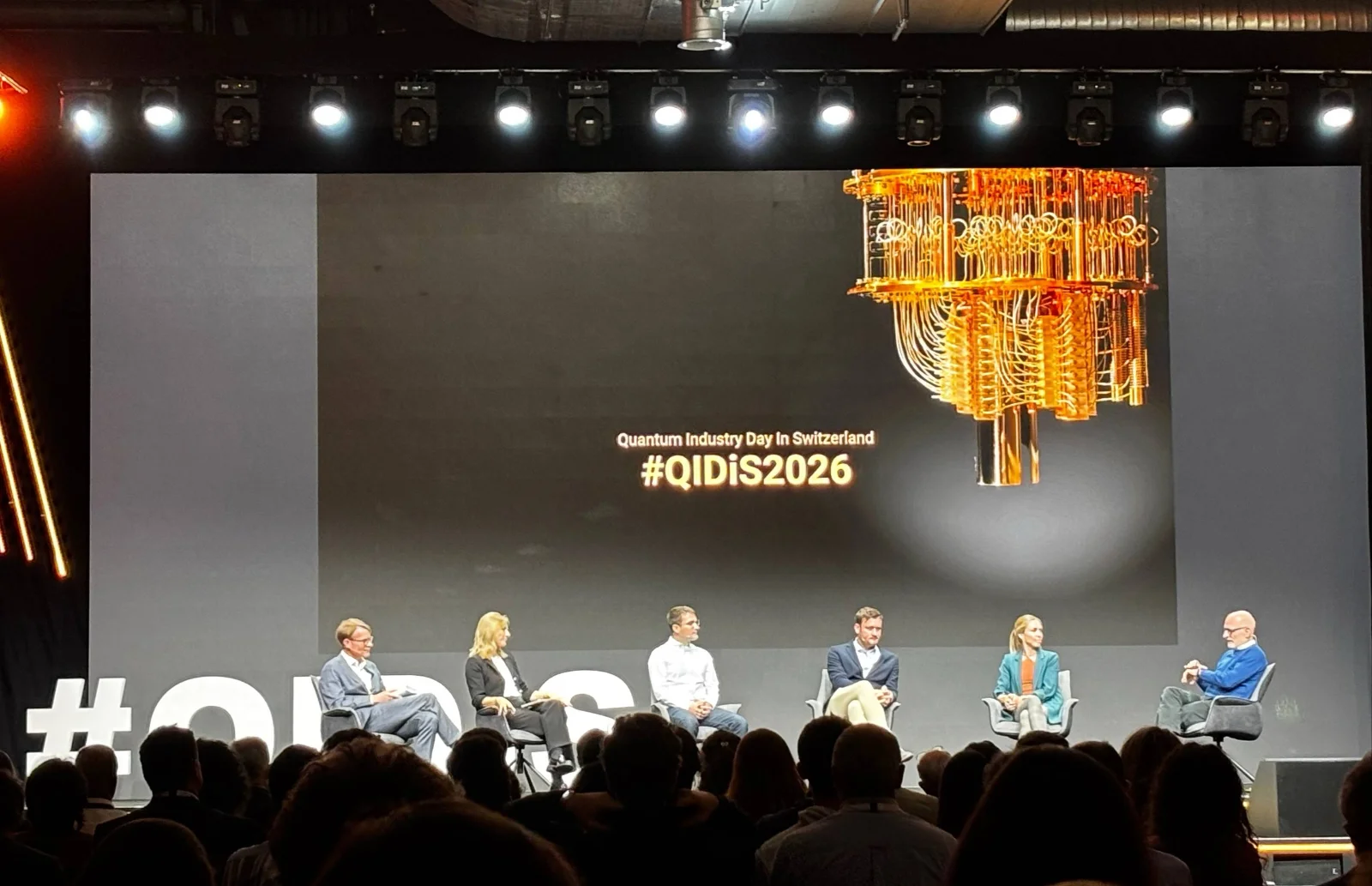
Then there was a discussion panel. The part I liked about it is the fact that it involved wide range of expertise - ranging from an early-stage startup (MatterDecoder), going through established and growing companies (ZuriQ, Zurich Instruments) up until the financial suppliers (ESA's European Deep-Tech Innovation Centre, QAI Ventures). I could really look at the industry from the viewpoint of each expert as I heard them list the achievements they count, challenges they are facing and needs. I thought we could do the same (organize a panel involving academia, startups, enterprise, venture capitals, government, and public on a certain topic - be it Quantum, be it AI, be it climate issues) in Uzbekistan.
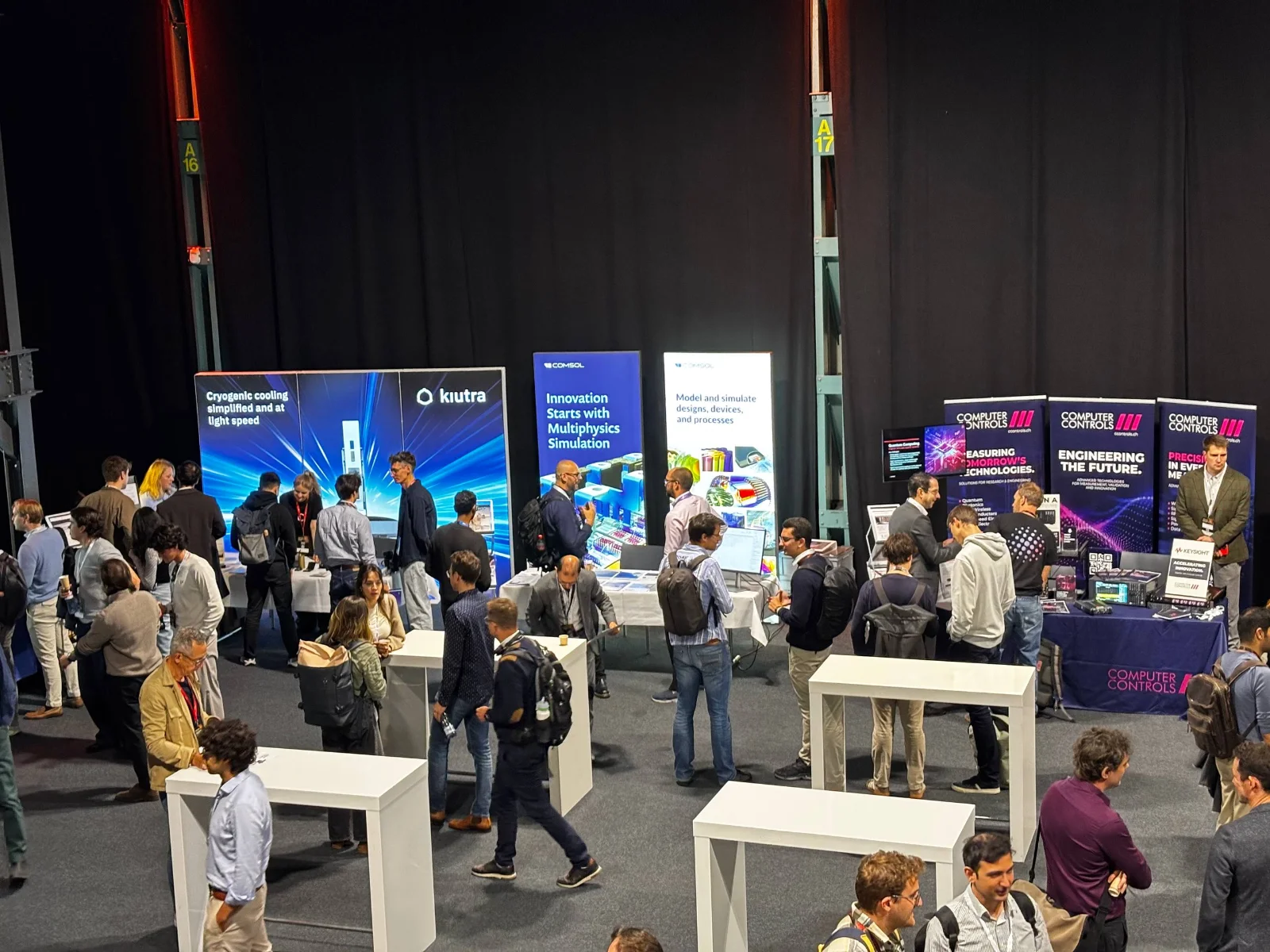 I really don't have to go much into the networking session (simply because I didn't attend most of it). Instead let me show you a glimpse of me hiking a path across Rhine Falls (the largest waterfall in Europe, by volume of water) dressed up in a suit:
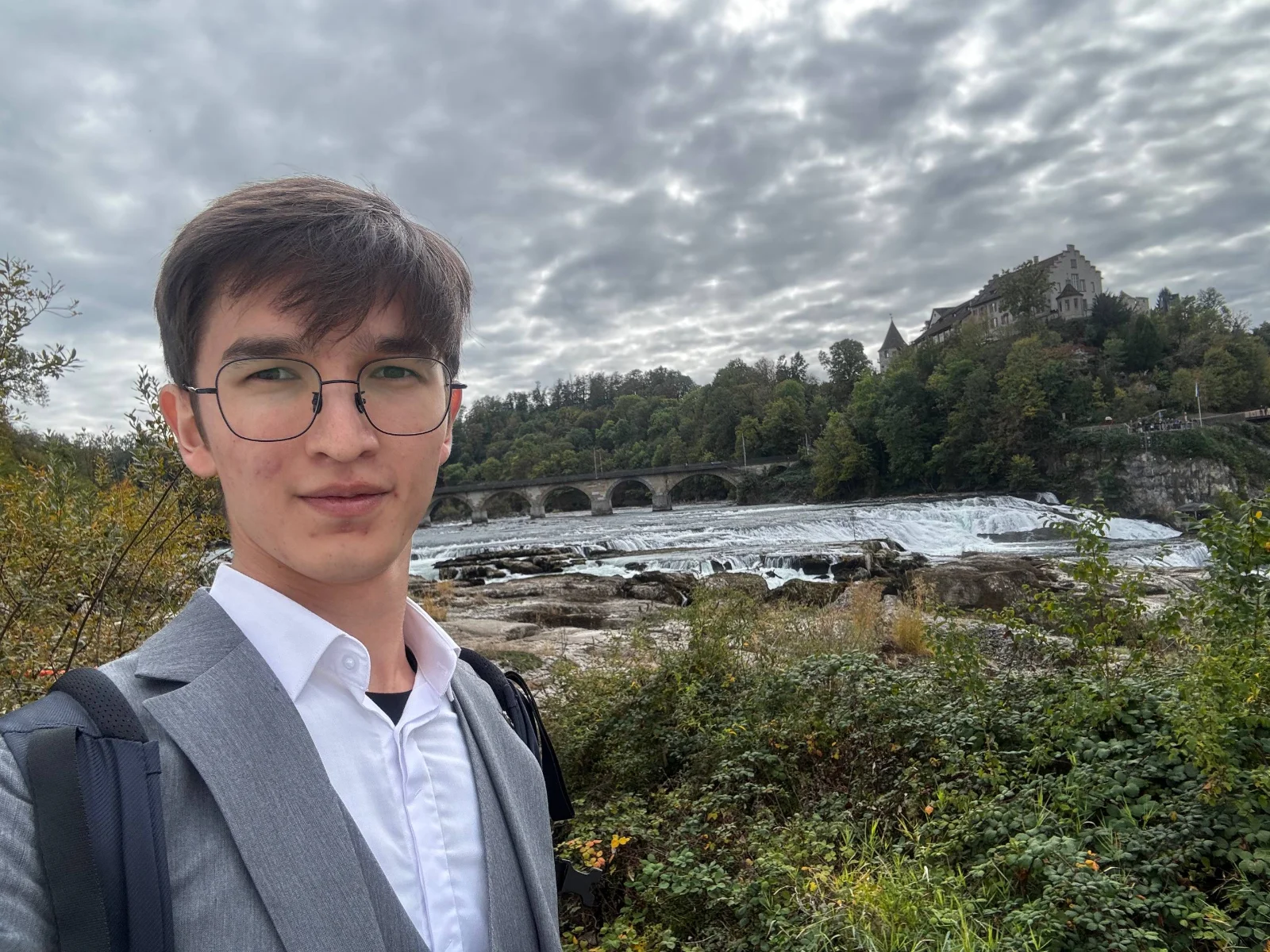
I thought it'd be a good chance to visit Rhine Falls (about ~1h by train from Zurich) while I'm nearby, so spent about ~3h for the visit and was back at the technical discussions of afternoon in QIDiS 26 :).
Technical discussions deserve a comment of their own, which I will hopefully come back and add here once I handle the SWENT course project's deadline (was reviewing PR on Github, discussing the tasks of the project while travelling to-and-from Rhine Falls throughout the day).
The one-line message I want to say through this post is that:
My Quantum Career feels safe (in the goal of bridging the quantum technologies from academia to the use cases of industry).